
Silver sits inside almost every electronic device, from phones to power grids. It also plays a growing role in cars, especially electric ones. As solar demand for silver cools, these uses are becoming more important to the market. This guide explains how silver is used in electric vehicles and electronics, what the latest data says, and why these uses are hard to replace.
Why electronics use silver
Silver conducts electricity better than any other metal, according to the US Geological Survey. It also resists corrosion and forms reliable contacts. As a result, it is used wherever a connection must work every time, even in small amounts.
Common uses include:
- Switches and contacts in appliances, industrial equipment and power systems.
- Circuit boards and conductive inks in consumer electronics.
- Brazing and solder for joining metals in electrical and cooling systems.
- Components in data centres and power grids, where reliability matters most.
Silver in electric vehicles: how it is used
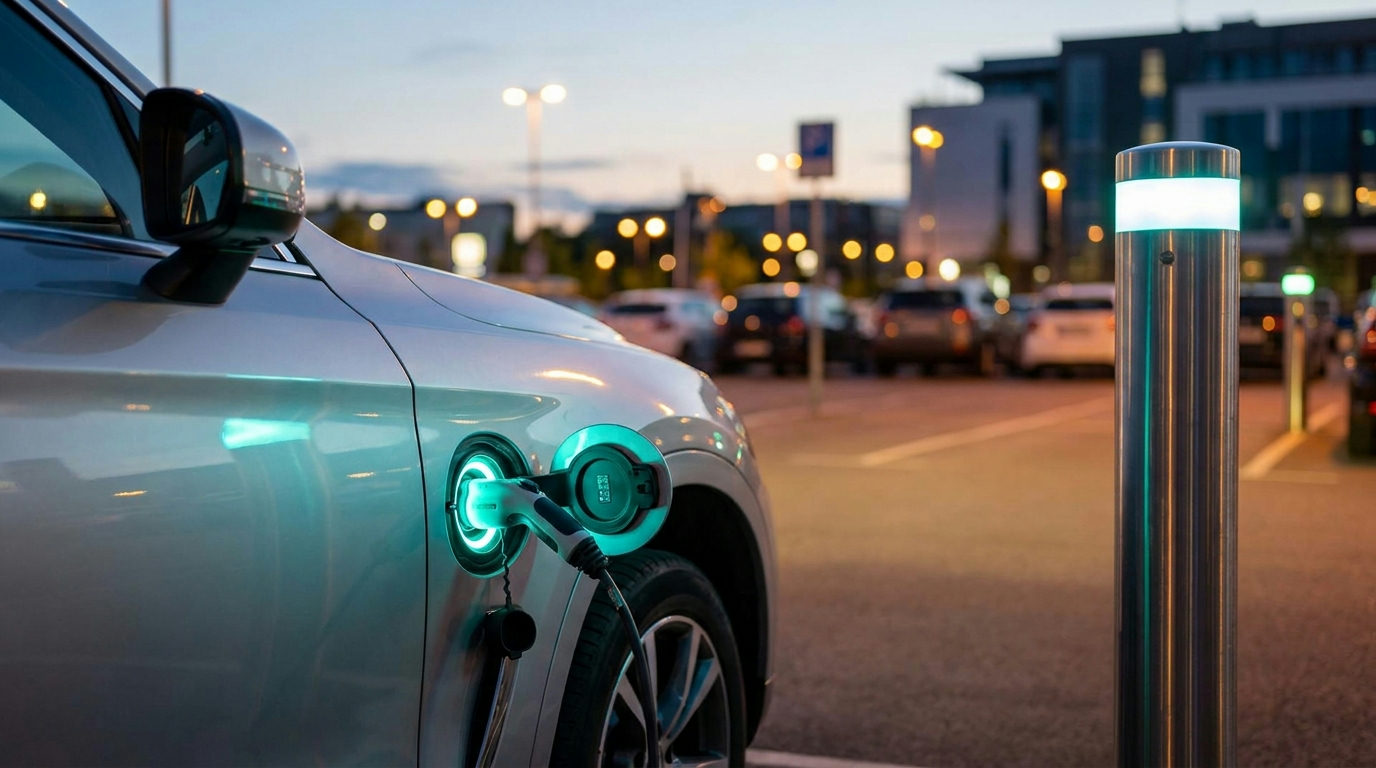
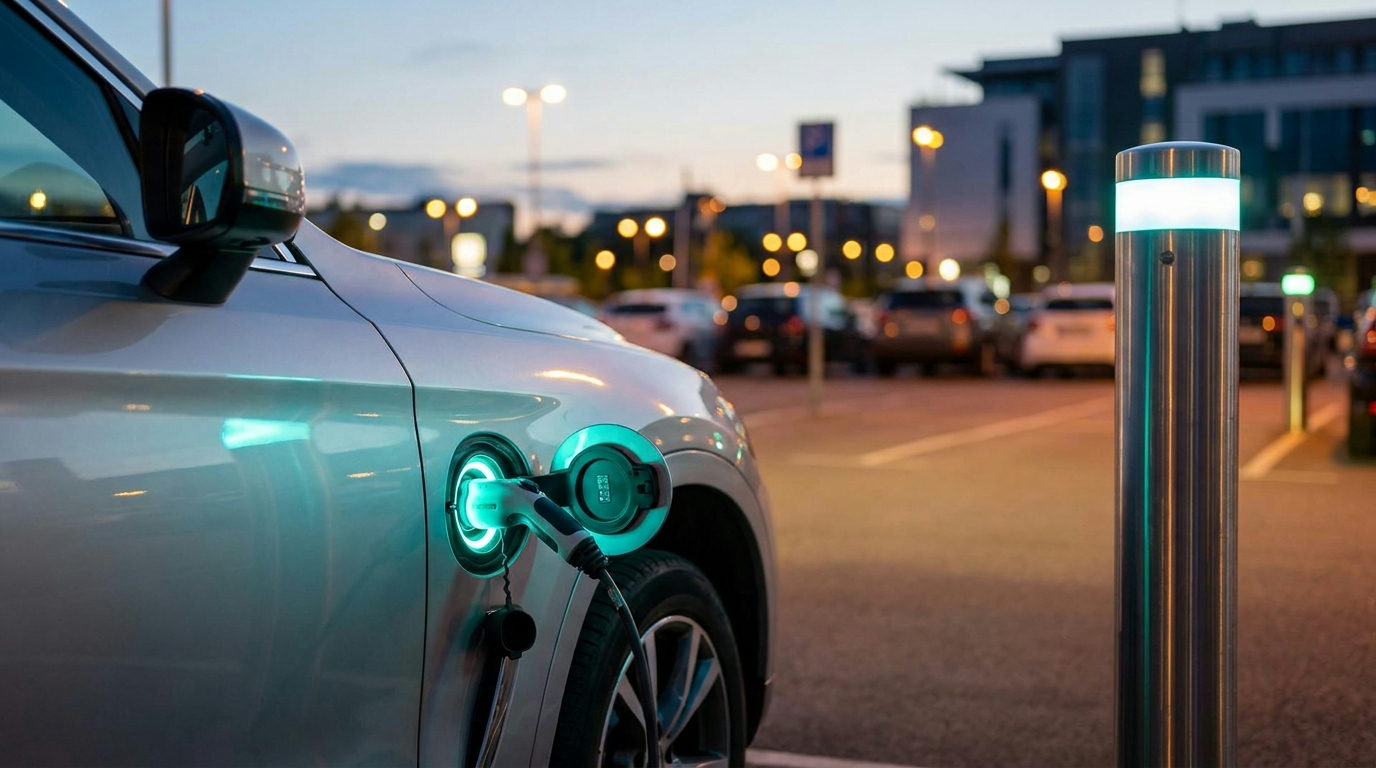
All modern vehicles use silver in electrical contacts, switches and sensors. Electric vehicles tend to use more, because they rely heavily on power electronics. Silver appears in battery management systems, charging connections, inverters and the many switches that control high-voltage power.
In addition, driver-assistance features add sensors and electronics, which can raise silver content further. However, the exact amount per vehicle varies widely by model and design, so treat any single “ounces per car” figure with caution.
What the latest data shows
| Indicator | Finding | Source |
|---|---|---|
| Total industrial demand, 2025 | Down 3% to 657.4 million oz | World Silver Survey 2026, via SilverTrade |
| Areas of growth, 2025 | AI data centres, electric vehicles, grid infrastructure and electronics | World Silver Survey 2026, via SilverTrade |
| Electrical and electronics share of US silver use, 2025 | 25% | USGS Mineral Commodity Summaries 2026 |
| Brazing and solder share of US silver use, 2025 | 3% | USGS Mineral Commodity Summaries 2026 |
According to the survey, growth in these areas partially offset a sharp fall in solar demand in 2025. So while total industrial demand fell, electronics, vehicles and grids provided some support.
Why these uses are hard to replace
In many electronic parts, silver is used in tiny amounts. That means its cost is a small share of the finished product. Therefore, manufacturers have less incentive to switch to cheaper metals than they do in solar, where silver is a bigger share of cost. Reliability also matters, particularly in cars and power systems, where failures are costly.
On the other hand, tiny amounts are also hard to recover, so much of this silver is lost to recycling. We cover that in our guide to silver recycling.
What this means for the market
Electronics and vehicles give silver a broad and steady base of demand. However, they tend to grow gradually rather than in sudden jumps. For how these uses fit into the whole market, see our guides to silver industrial demand and silver solar panel demand.
Frequently asked questions
How is silver used in electric vehicles?
In battery management, charging connections, power electronics, switches and sensors, where reliable electrical contacts are essential.
Do electric cars use more silver than petrol cars?
Generally, yes, because they rely more on power electronics. The exact amount varies widely by model.
Why is silver used in electronics?
It is the best electrical conductor of all metals and resists corrosion, which makes connections reliable.
Did electronics demand for silver grow in 2025?
According to the World Silver Survey 2026, areas including AI data centres, electric vehicles, grids and electronics saw gains that partly offset lower solar demand.
Sources
- SilverTrade: The Silver Institute releases 2026 World Silver Survey (April 15, 2026)
- USGS: Mineral Commodity Summaries 2026, Silver (February 2026)
- USGS: Silver Statistics and Information
This article is general information, not financial advice. Survey figures are estimates and may be revised.
Written and reviewed by the SilverPriceCharts.com editorial team. Sources are linked above.