
COMEX silver futures are the most widely watched silver contracts in the world. Their prices feed the “spot” quotes on most websites and set the tone for trading around the clock. This guide explains what a COMEX silver futures contract is, how the contract is structured, how delivery works, and what the key terms mean when you see them on a chart.
What are COMEX silver futures?
COMEX is the metals exchange of CME Group, based in New York. A silver futures contract on COMEX is a standard agreement to buy or sell a fixed amount of silver at a set price, for delivery in a specific month.
Because every contract is identical apart from its price and month, buyers and sellers can trade them easily. As a result, the contracts attract miners and manufacturers hedging their risk, as well as banks, funds and individual traders. According to CME Group, the contract trades electronically nearly around the clock, six days a week.
COMEX silver futures contract terms
| Term | Detail |
|---|---|
| Contract size | 5,000 troy ounces |
| Quality | Silver of at least 0.999 fineness |
| Price quotation | US dollars and cents per troy ounce |
| Settlement | Physical delivery |
| Last trading day | Third last business day of the delivery month |
| Trading venue | CME Globex electronic platform |
Source: CME Group rulebook and contract fact card. Contract terms can change, so always check CME’s current specifications before trading.
How COMEX silver futures months work
COMEX lists many delivery months at once. According to CME Group’s fact card, contracts are available for the current month and the next two months. In addition, the exchange lists January, March, May and September contracts within a 23-month window, and July and December contracts up to 60 months ahead.
In practice, most trading happens in a handful of main months. The most active contract near delivery is called the front month. When it approaches expiry, traders “roll” their positions into the next active month. For this reason, a continuous futures chart may show small jumps where one contract hands over to the next.
How delivery works
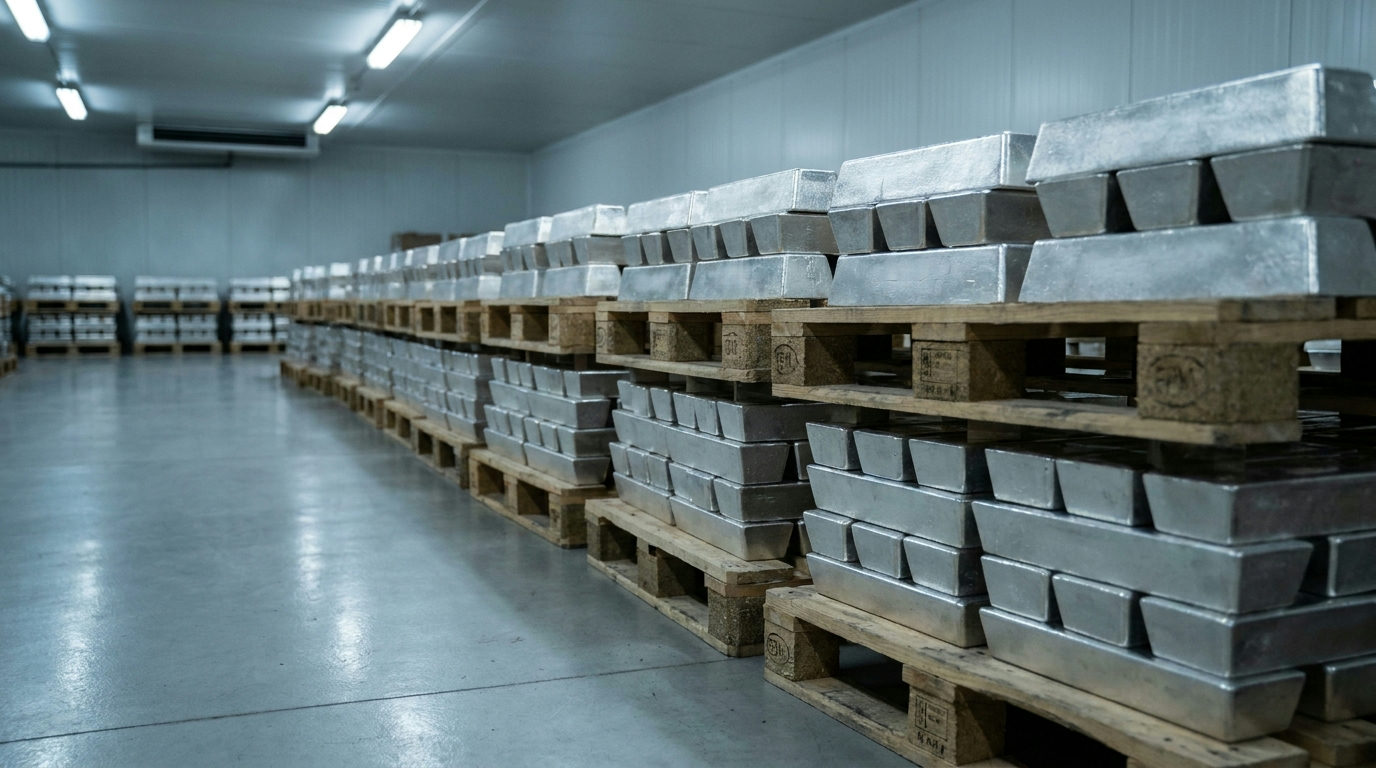
COMEX silver futures are physically settled. If you hold a contract past the last trading day, you are expected to make or take delivery of 5,000 ounces of silver. Delivery happens through warehouse receipts for bars held in exchange-approved depositories, not by trucks arriving at your door.
However, most traders never deliver or receive metal. Instead, they close or roll their positions before expiry. Even so, the delivery option matters. It links the futures price to real metal, which keeps the front-month price close to the spot price. We cover that relationship in our guide to silver spot vs futures.
Margin and leverage
Futures traders do not pay the full value of the silver up front. Instead, they post margin, a deposit that the exchange’s clearing house sets and adjusts as market conditions change. Brokers may require more than the exchange minimum.
Margin creates leverage. A relatively small price move can produce a large gain or loss compared with the deposit. For example, one contract covers 5,000 ounces, so every $0.10 move in the silver price changes the contract’s value by $500. That is simple arithmetic, not a prediction. As a result, losses can exceed the initial deposit, which is why futures carry high risk.
Reading COMEX silver futures on a chart
On many charting platforms, the standard contract appears under the symbol SI, followed by a month code and year. For instance, “SIN” refers to the July contract. Check which month a chart is showing, because prices differ between months.
Also check the unit. COMEX quotes silver per troy ounce, as explained in our troy ounce silver guide. And remember that the daily London benchmark is a separate price, set by auction, as our LBMA silver price guide explains.
Frequently asked questions
How much silver is in one COMEX contract?
One standard contract covers 5,000 troy ounces.
Do the contracts result in delivery?
Yes, they are physically settled. However, most traders close their positions before the delivery period.
When does trading stop?
Trading ends on the third last business day of the delivery month, according to CME Group.
Why do COMEX silver futures matter for the spot price?
Many data providers base the quoted spot price on the most active COMEX contract, so futures trading drives the price you see on most charts.
Sources
- CME Group: COMEX Rulebook, Chapter 112, Silver Futures
- CME Group: Silver Futures and Options fact card
- CME Group: Silver Product Overview
- CME Group: Silver Futures Contract Specs
This article is general information, not financial advice. Futures trading carries a high level of risk, and losses can exceed your deposit. Prices shown on any site may lag the live market, so check an official source before making any decision.
Written and reviewed by the SilverPriceCharts.com editorial team. Sources are linked above.