
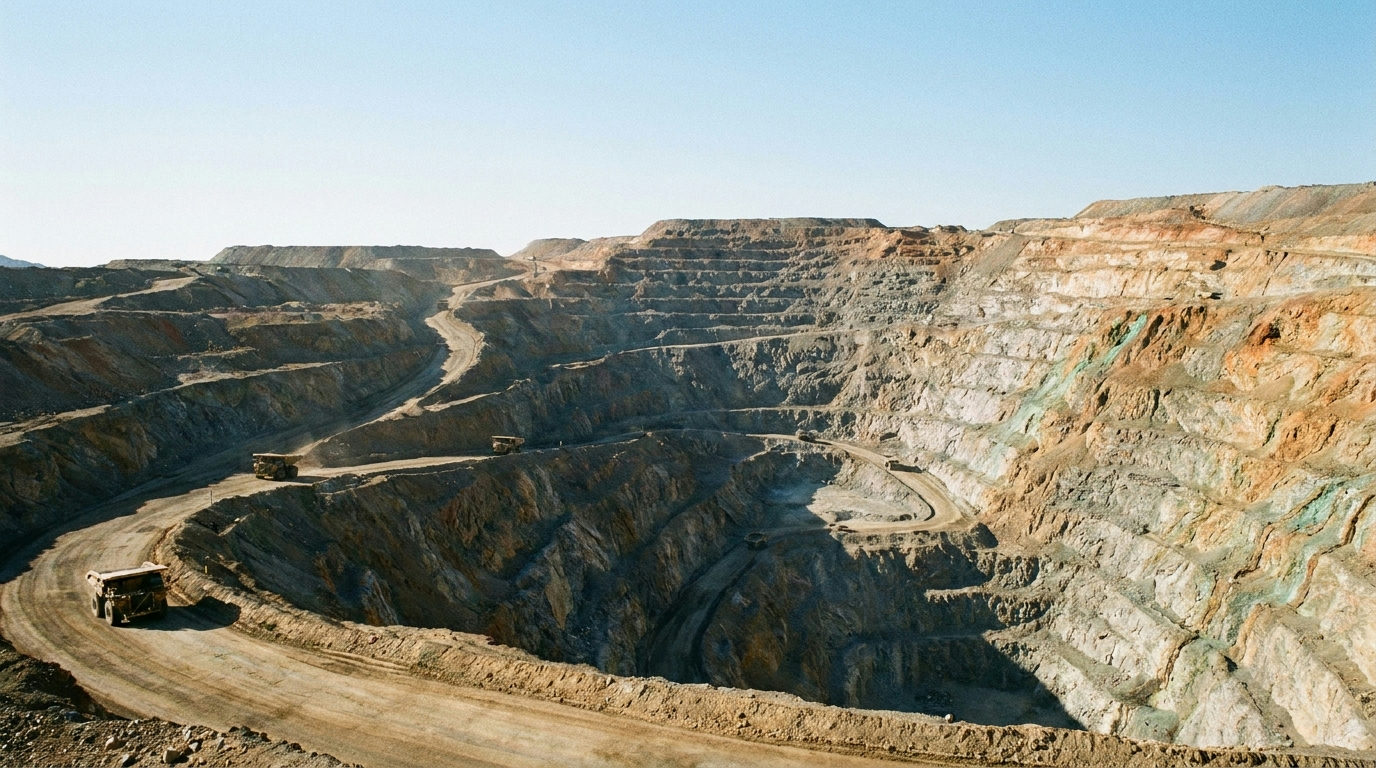
Most people picture silver coming from silver mines. In reality, most of the world’s silver is dug up almost by accident, as a by-product of mining other metals. By-product silver shapes how supply reacts to prices, and it helps explain why the silver market can stay tight for years. This guide explains what by-product silver is, how much of total supply it makes up, and why it matters.
What is by-product silver?
Silver often occurs in the same ore bodies as lead, zinc, copper and gold. When a mine extracts those metals, the silver comes out too and is recovered during processing. If the mine’s main revenue comes from another metal, the silver is called a by-product or co-product.
By contrast, a primary silver mine is one where silver is the main source of revenue. According to a summary of the Silver Institute’s World Silver Survey 2026, primary silver mines produced only about 26% of global mine output in 2025. The other roughly three-quarters came as a by-product of lead and zinc, copper and gold operations.
Where by-product silver comes from
| Mine type | Role of silver | What drives output |
|---|---|---|
| Primary silver mines | Main product | Silver price, silver grades |
| Lead and zinc mines | Important by-product | Lead and zinc demand and prices |
| Copper mines | By-product | Copper demand and prices |
| Gold mines | By-product | Gold price and production plans |
In the United States, for example, the USGS reported that silver was produced at 4 silver mines in 2025 and as a by-product or co-product at 31 other base- and precious-metal operations.
Why by-product silver matters for supply
The key point is that by-product output does not respond much to the silver price. A copper mine plans its production around copper, not silver. So if the silver price doubles, that mine will not double its silver output. Likewise, if copper demand falls and the mine cuts production, its silver output falls too, whatever silver is doing.
This makes silver supply what economists call “inelastic”. Even when prices rise sharply, new supply arrives slowly. For instance, the survey reported that mine production rose 3% in 2025, and much of that growth came from higher by-product output at copper operations in Peru, according to the survey summary. The silver price was not the main driver.
What this means for the silver market
- Slow supply response. Because most supply depends on other metals, high silver prices do not quickly bring out more metal.
- Links to other markets. Changes in copper, zinc or gold mining can change silver supply in ways that have nothing to do with silver demand.
- Persistent deficits. A slow supply response helps explain why the market recorded a fifth straight deficit in 2025. We explain the balance in our guide to silver supply and demand.
- Recycling as a buffer. Since mine supply is slow to react, recycled silver often provides more of the short-term supply response.
How to use by-product data when reading silver charts
When you see news about a big copper or zinc mine closing or expanding, it may affect silver supply too. Likewise, a forecast for flat mine production, like the survey’s forecast for 2026, suggests supply will not rise much even if prices stay high. For the wider picture of what moves prices, see our guide to what drives silver prices.
Frequently asked questions
What percentage of silver is a by-product?
According to a summary of the World Silver Survey 2026, about 74% of mined silver in 2025 came as a by-product, with primary silver mines producing about 26%.
Which metals produce the most by-product silver?
Lead and zinc mines are major sources, along with copper and gold mines.
Why doesn’t silver supply rise when prices rise?
Because most silver comes from mines focused on other metals. Those mines set output based on their main metal, not on silver.
Does by-product silver make supply more volatile?
It can. Silver supply can change when base-metal or gold mining changes, even if silver demand has not.
Sources
- SilverTrade: The Silver Institute releases 2026 World Silver Survey (April 15, 2026)
- Mexico Business News: World Silver Survey 2026 (May 18, 2026)
- USGS: Mineral Commodity Summaries 2026, Silver (February 2026)
This article is general information, not financial advice. Survey figures are estimates and may be revised.
Written and reviewed by the SilverPriceCharts.com editorial team. Sources are linked above.